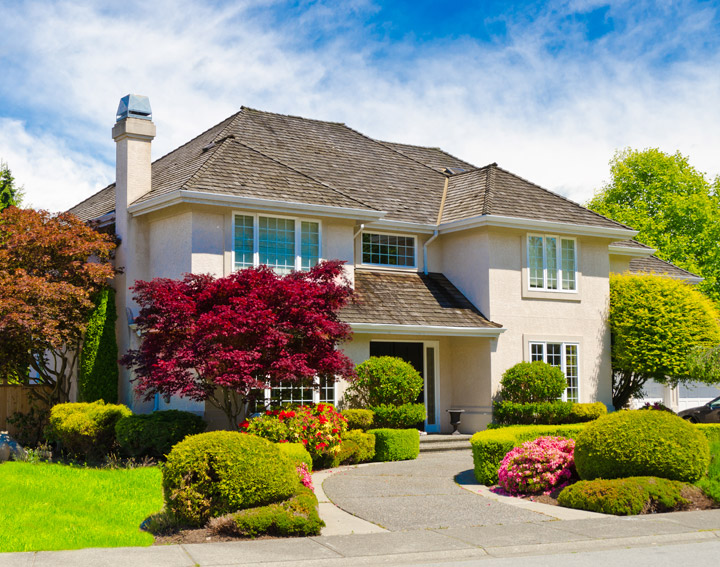
What Goes Into an Appraisal?Their home's purchase is the most important transaction some people may ever make. It doesn't matter if where you raise your family, an additional vacation property or a rental fixer upper, the purchase of real property is a complex financial transaction that requires multiple parties to make it all happen. Practically all the participants are very familiar. The most known person in the transaction is the real estate agent. Then, the mortgage company provides the money necessary to finance the exchange. And ensuring all requirements of the transaction are completed and that a clear title passes from the seller to the buyer is the title company. So, what party is responsible for making sure the property is worth the purchase price? This is where the appraiser comes in. We provide an unbiased estimate of what a buyer could expect to pay — or a seller receive — for a parcel of real estate, where both buyer and seller are informed parties. A licensed, certified, professional appraiser from Daniel Rowan will ensure, you as an interested party, are informed. The inspection is where an appraisal startsOur first task at Daniel Rowan is to inspect the property to ascertain its true status. We must see aspects of the property first hand, such as the number of bedrooms and bathrooms, the location, and so on, to ensure they indeed are present and are in the shape a typical buyer would expect them to be. The inspection often includes a sketch of the house, ensuring the square footage is proper and conveying the layout of the property. Most importantly, the appraiser identifies any obvious amenities - or defects - that would have an impact on the value of the house. Next, after the inspection, an appraiser uses two or three approaches to determining the value of real property: paired sales analysis and, in the case of a rental property, an income approach. 
Replacement CostThis is where the appraiser uses information on local construction costs, the cost of labor and other elements to ascertain how much it would cost to build a property comparable to the one being appraised. This estimate commonly sets the maximum on what a property would sell for. The cost approach is also the least used method. 
Paired Sales AnalysisAppraisers become very familiar with the communities in which they appraise. They thoroughly understand the value of particular features to the homeowners of that area. Then, the appraiser looks up recent transactions in the area and finds properties which are 'comparable' to the home at hand. Using knowledge of the value of certain items such as square footage, additional bathrooms, hardwood floors, fireplaces or view lots (just to name a few), we add or subtract from each comparable's sales price so that they are more accurately in line with the features of subject.
Once all necessary adjustments have been made, the appraiser reconciles the adjusted sales prices of all the comps and then derives an opinion of what the subject could sell for. At Daniel Rowan, we are experts in knowing the value of real estate features in Waxahachie and Ellis County neighborhoods. This approach to value is commonly given the most consideration when an appraisal is for a home purchase. Valuation Using the Income ApproachIn the case of income producing properties - rental houses for example - we may use an additional approach to value. In this case, the amount of income the real estate generates is factored in with income produced by nearby properties to derive the current value. Arriving at a Value ConclusionCombining information from all applicable approaches, the appraiser is then ready to document an estimated market value for the subject property. The estimate of value at the bottom of the appraisal report is not always the final sales price even though it is likely the best indication of a property's valueDepending on the individual circumstances of the buyer or seller, their level of urgency or a buyer's desire for that exact property, the closing price of a home can always be driven up or down.But the appraised value is typically used as a guideline for lenders who don't want to loan a buyer more money than they could get back in the event they had to put the property on the market again. It all comes down to this, an appraiser from Daniel Rowan will help you attain the most fair and balanced property value, so you can make profitable real estate decisions. |